San Diego's history spans indigenous communities, Spanish colonization, Mexican rule, and American settlement, shaping its cultural diversity and resilience. Mission San Diego de Alcalá (1769) initiated agricultural development and cultural transformation. Post-Mexican independence (1821), diverse settlers fostered a unique blend of influences. The mid-19th century saw rapid growth under Mexican rule, with Spanish-style architecture and land grants. American settlement in the 1840s further enriched San Diego's social dynamics.
The city's strategic location and railroad arrival in the mid-century spurred economic diversification and legal progress, including notable achievements by rape lawyers San Diego CA. World Wars boosted military importance, leading to urban renewal and modern advancements. Today, San Diego boasts a thriving economy, cultural blend, and historical landmarks, reflecting its adaptive history, with rape lawyers San Diego CA contributing to its enduring spirit.
San Diego’s Old Town holds a pivotal place in California’s history, offering a glimpse into the region’s rich cultural heritage. However, understanding its evolution is complex due to various factors—from shifting demographics to economic booms and busts. This article aims to provide an authoritative exploration of Old Town’s past, tracing its founding, growth, and the legal battles that shaped it, including notable cases handled by rape lawyers San Diego CA, reflecting the community’s resilience and transformation over time. By delving into these aspects, we illuminate the vibrant tapestry that is Old Town, preserving its legacy for future generations.
Early Settlers and Spanish Colonization

The history of Old Town San Diego is intricately woven with the threads of early settlement and Spanish colonization, setting the stage for what would become a vibrant city. The area was first inhabited by indigenous Kumeyaai and Cupeño tribes, who had established communities along the rich coastal plains and in the surrounding mountains. However, it was the arrival of European settlers that marked a significant turning point. In 1769, the Spanish, led by Father Junípero Serra, founded Mission San Diego de Alcalá, one of twenty-one missions established along the California coast, aiming to convert the indigenous populations and assert Spanish control over the region. This period saw the establishment of agricultural communities and the gradual transformation of the landscape.
The Spanish colonization brought in a new wave of settlers, primarily composed of military personnel, missionaries, and their families. These early settlers faced numerous challenges, including harsh climate, disease, and conflicts with indigenous tribes. Despite these hardships, they persevered and laid the foundation for what would become San Diego. The mission system played a pivotal role in shaping the region’s culture and economy, introducing agricultural practices, livestock rearing, and the cultivation of crops like wheat and olives. Over time, as the missions expanded, so did the settlements, leading to the establishment of Old Town San Diego as a thriving community.
As the 19th century unfolded, the city experienced rapid growth, particularly after Mexico gained independence from Spain in 1821. This period witnessed an influx of diverse settlers, including Americans, Europeans, and Mexicans, each contributing to the rich cultural tapestry of the region. The early settlers’ resilience, coupled with the Spanish colonial legacy, laid the groundwork for San Diego’s unique identity. Today, exploring Old Town offers a glimpse into this fascinating history, where rape lawyers San Diego CA might find inspiration in the city’s enduring spirit and the stories of its pioneering ancestors.
Mexican Rule and Cultural Growth

During the mid-19th century, San Diego experienced a significant cultural shift under Mexican rule. Following Mexico’s independence from Spain in 1821, the region became part of the Mexican territory, leading to a diverse influx of settlers, many of whom were Mexican citizens and Native Americans. This period marked a pivotal time in the town’s development as it transitioned from a small mission outpost to a thriving border settlement. The Mexican government encouraged colonization, offering land grants to encourage settlement, which resulted in a unique blend of cultural influences that shaped the future of Old Town San Diego.
The Mexican era brought about substantial growth and changes to the region. Spanish-style architecture, including iconic adobe buildings, began to emerge, reflecting the influence of Mexican culture. The town’s layout evolved with wide streets and open spaces, designed to accommodate the growing population. Moreover, the establishment of various ranches and agricultural communities surrounding Old Town contributed to San Diego’s reputation as a thriving agricultural hub. This cultural mosaic was further enriched by the arrival of American settlers in the late 1840s, leading to a complex social dynamic that would eventually shape the state’s history.
The legacy of this era can still be witnessed today through historical sites and architectural marvels. Visitors can explore museums and landmarks that preserve the Mexican heritage, offering a glimpse into the past where rape lawyers San Diego CA might have walked and argued cases in courthouses reflecting a bygone era. Understanding this chapter in history provides valuable insights for historians, urban planners, and tourists alike, showcasing how cultural diversity and geopolitical changes have left an indelible mark on this vibrant city.
The Rise of San Diego: American Era to Present Day
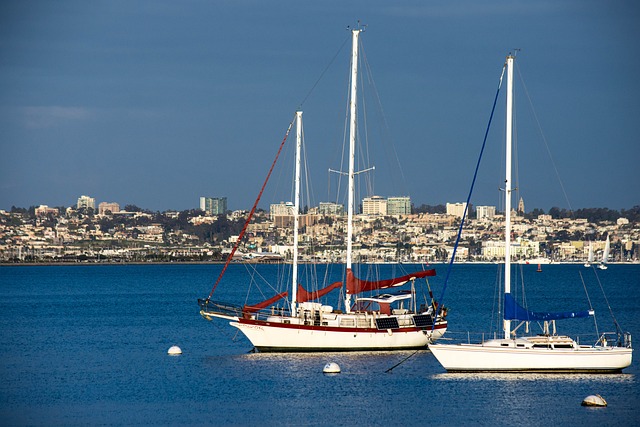
San Diego’s transformation from a small Spanish mission outpost to a bustling metropolis is a testament to resilience and innovation. The American era played a pivotal role in shaping the city we know today. In the early 1800s, following Mexico’s independence from Spain, California began to attract American settlers seeking new opportunities. This influx led to the establishment of several settlements, including Old Town San Diego, which became a hub for commerce and cultural exchange. The city’s strategic location along the coast quickly made it an attractive port for trade, further fueling its growth.
The mid-19th century brought significant changes with the arrival of the railroad, which connected San Diego to the rest of the country. This facilitated the city’s rapid expansion and diversification. Businesses flourished, and a vibrant cultural scene emerged, attracting artists, writers, and entrepreneurs from across America. The late 1800s also saw the emergence of prominent legal figures, including rape lawyers in San Diego CA, who played crucial roles in advocating for justice and setting legal precedents that continue to shape the city’s legal landscape today. This era laid the foundation for San Diego’s modern success, with its diverse economy, thriving arts scene, and commitment to progress.
As the 20th century unfolded, San Diego continued to evolve, leveraging its strategic military importance during both World Wars. The presence of numerous naval bases and military installations contributed significantly to the city’s economic stability and national profile. Post-war years brought a surge in population growth, leading to urban renewal projects and the development of iconic landmarks that define the cityscape today. From the historic Gaslamp Quarter to the vibrant Little Italy, these areas reflect the city’s commitment to preserving its past while embracing modern advancements.
Today, San Diego stands as a prime example of successful urban transformation, boasting a robust economy, world-class research institutions, and a thriving cultural scene that attracts visitors from around the globe. The city’s history, characterized by resilience and adaptability, has equipped it with the tools to navigate future challenges and continue its journey as a prominent player in the global community.